For Halo (AddOn Networks), I created product animations and a videography series used across corporate marketing, social media, and lobby displays. My work connected detailed product modeling with storytelling, filming, and editing.
A tiny device. An epic sense of speed.
Looking at the tiny transceiver, I knew I needed 3D to convey the scale and speed I had in mind. Macro photography could reveal its details, but as the basis for the finished film it would have been a substantial creative compromise. I wanted to move the camera among the components, animate the product’s assembly, and follow it into a much larger world.
The lead animation introduces an optical transceiver for datacenter communications. It assembles from an exploded view, captures the laser light of optical communication—its “electronic soul”—and flies toward the stars.
Behind the animation
A tiny product.
Hundreds of deliberate details.
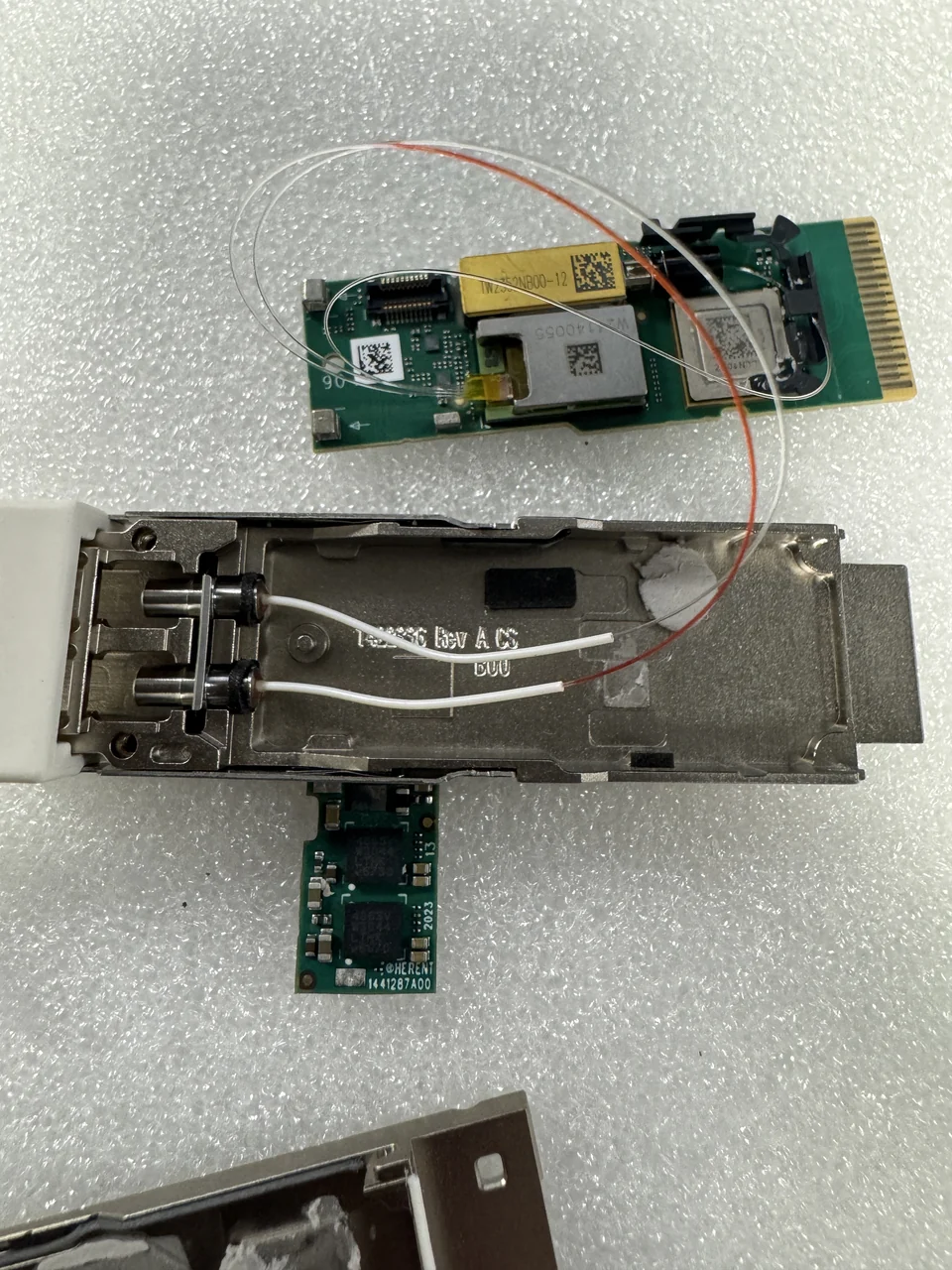
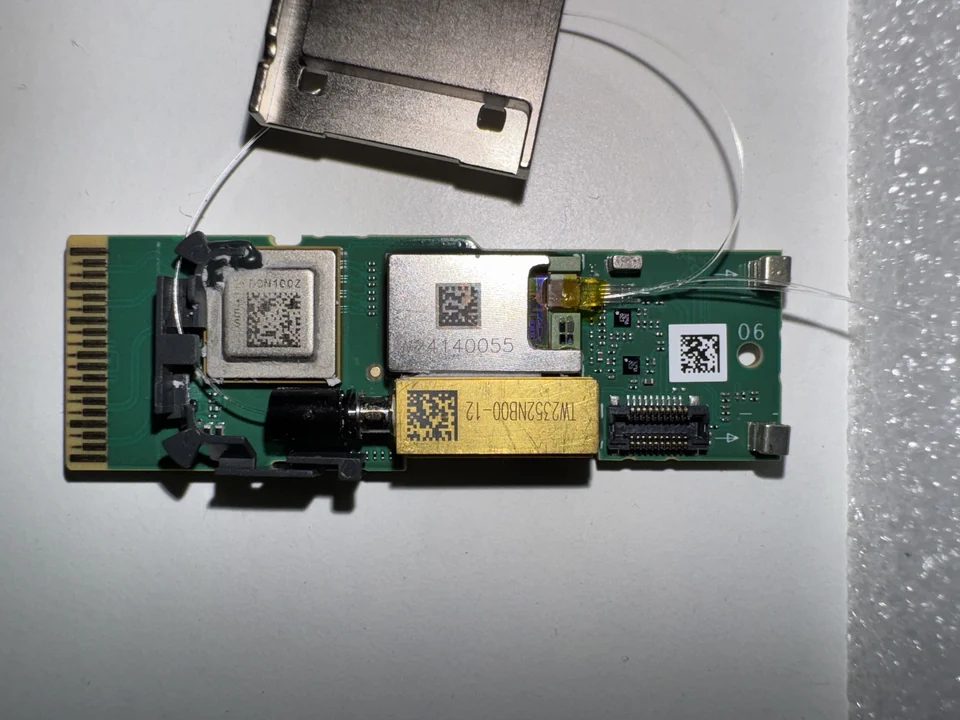
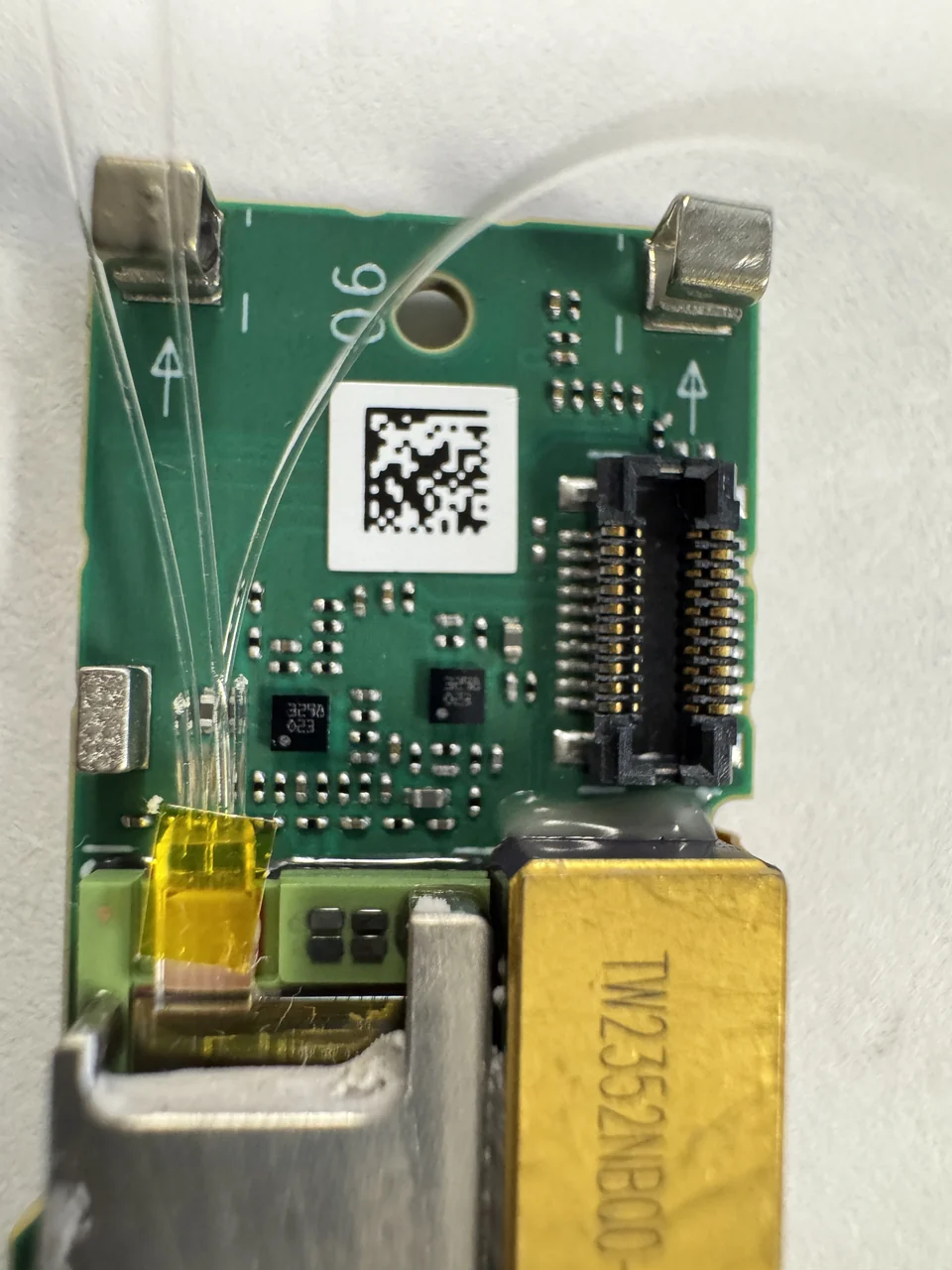
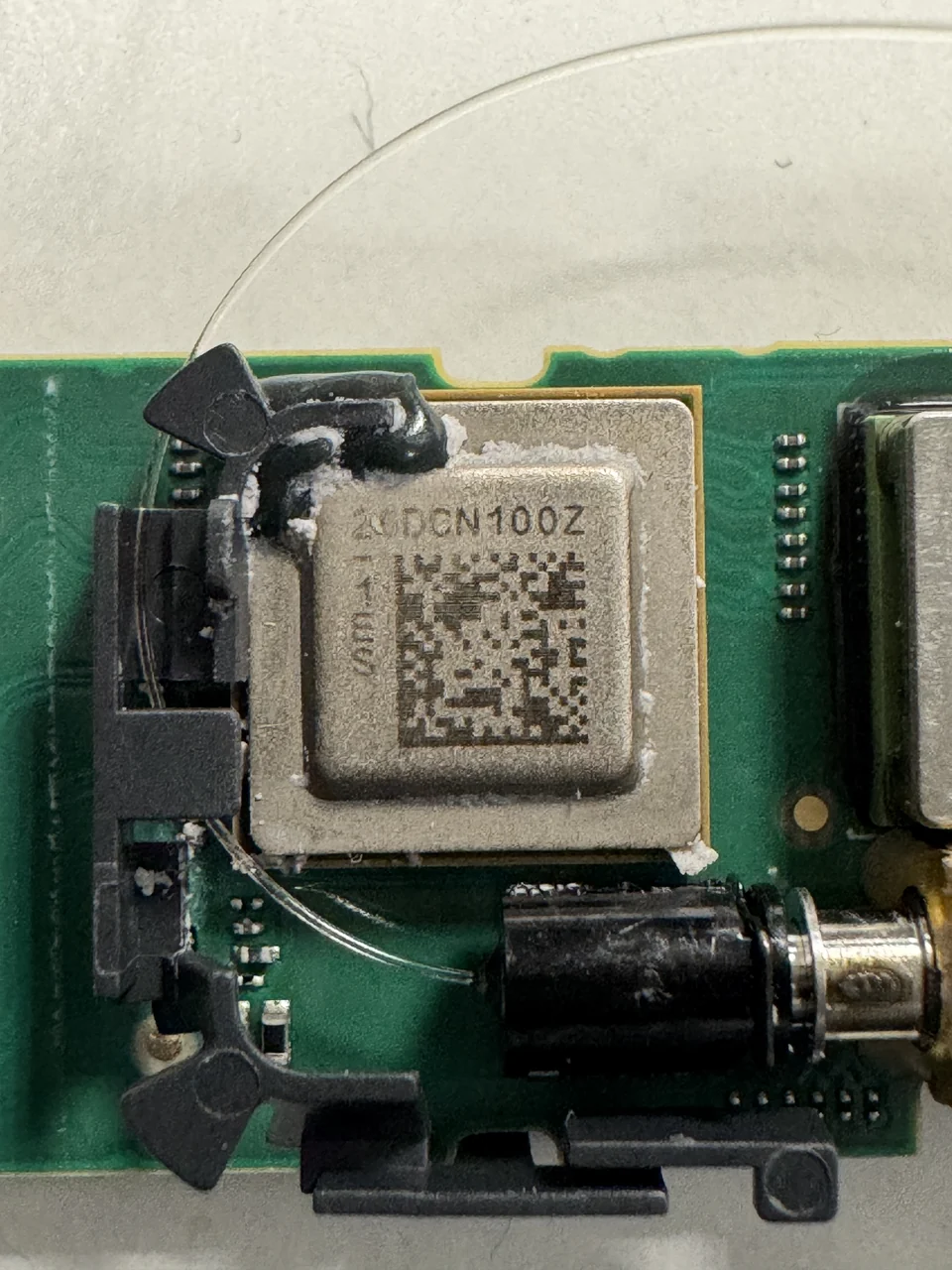
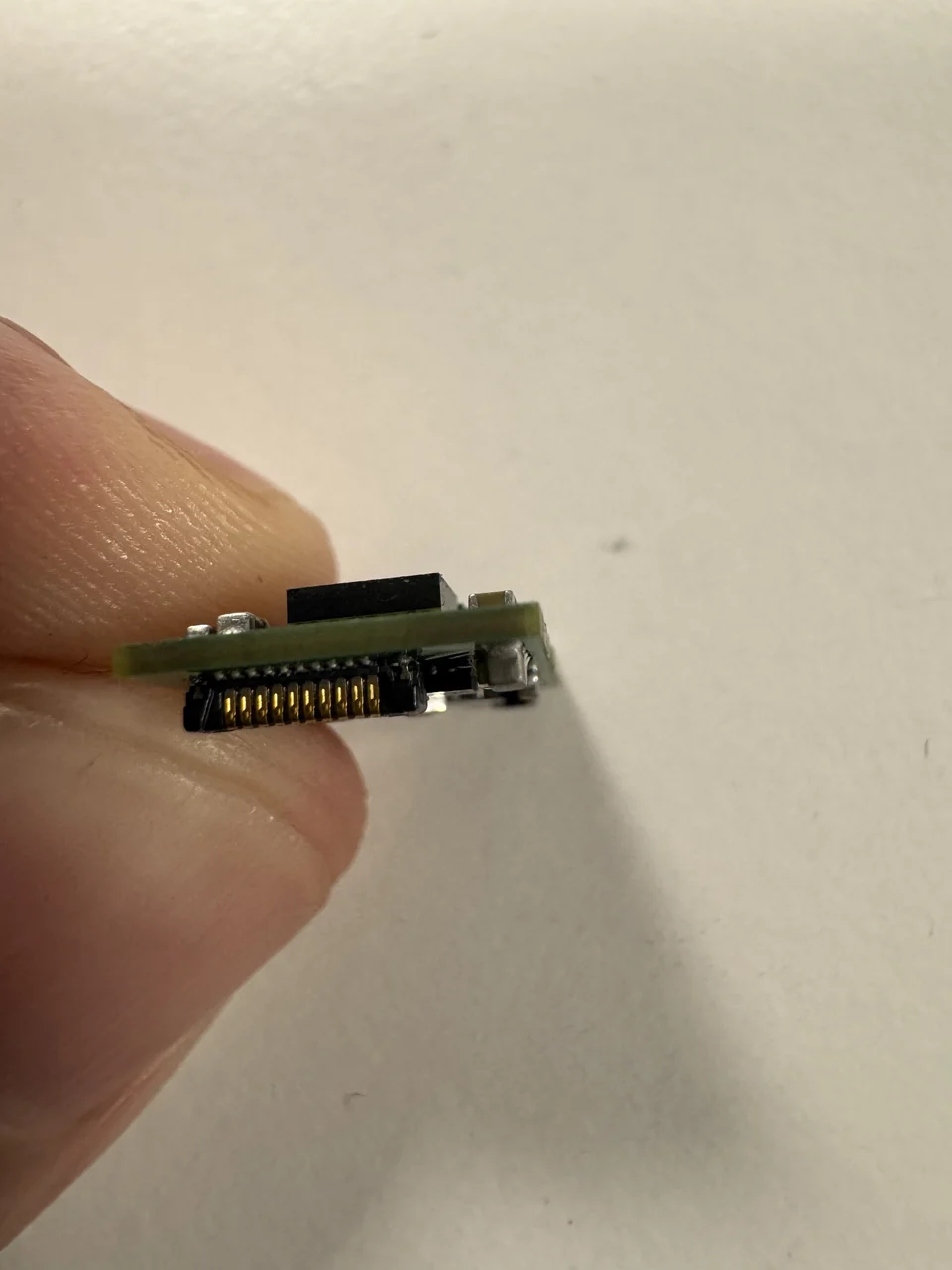
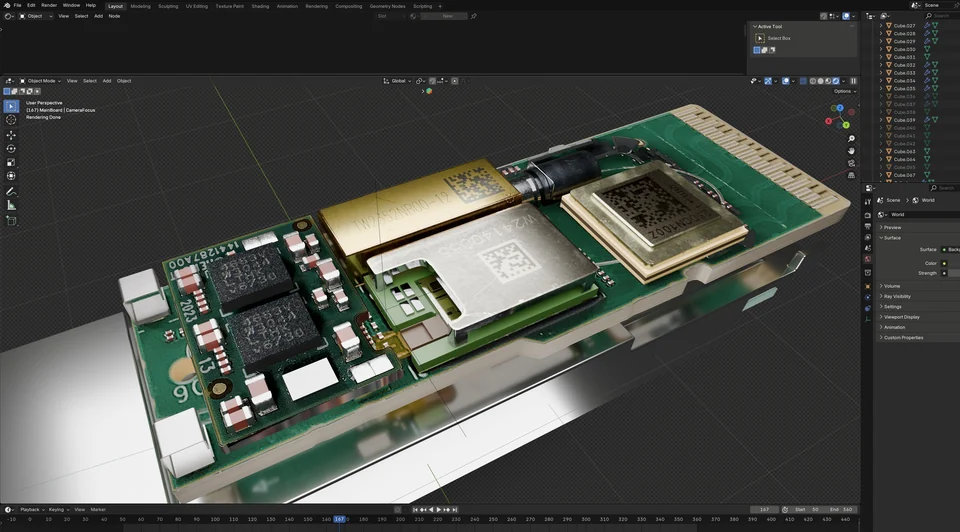
Macro photography became the foundation for the model. I disassembled the physical transceiver, photographed its components, and used that reference to build a detailed 3D asset. The photos, Blender screenshot, and animation studies below come from my working archive.
- 300
- sub-components handcrafted
- 40+ hours
- building the model
- 100 hours
- environments, animation & finishing
01 / Observe & document
Start with the real hardware.
Opening the enclosure revealed the layout that the finished animation needed to preserve: the circuit boards, metal housings, connectors, and delicate fiber paths. I photographed the assembly and its individual parts so I could return to the reference throughout modeling.
02 / Build the digital asset
Reconstruct it, component by component.
I used the photographs to handcraft the transceiver in Blender, building the forms and their arrangement, then adding materials and markings. The work extended from the enclosure and major components down to the small parts mounted on the boards.
03 / Animate & tell the story
Give the hardware a cinematic scale.
With the model built, I could move the camera among its components, animate the exploded assembly, and carry the product into a larger environment. Lighting and the laser-light motif connected those technical details to the story of optical communication.
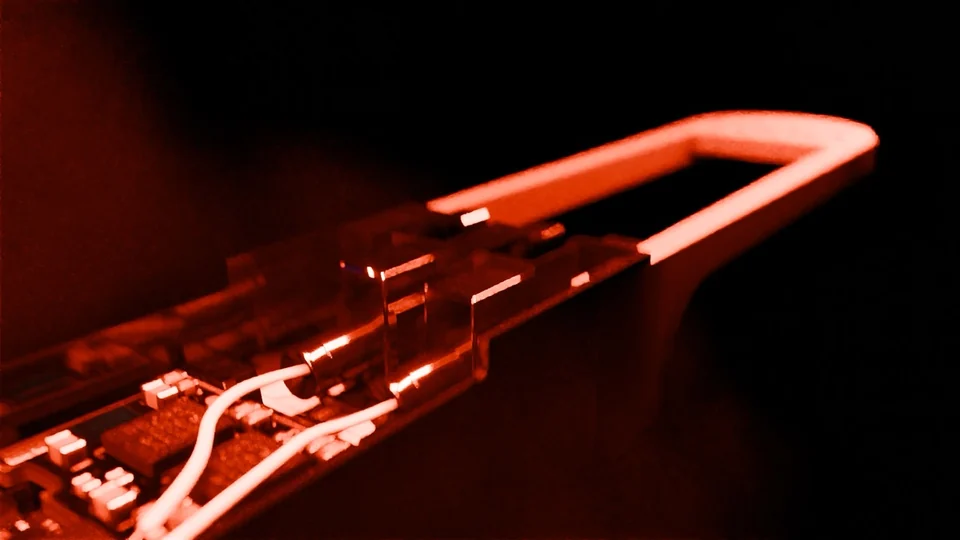
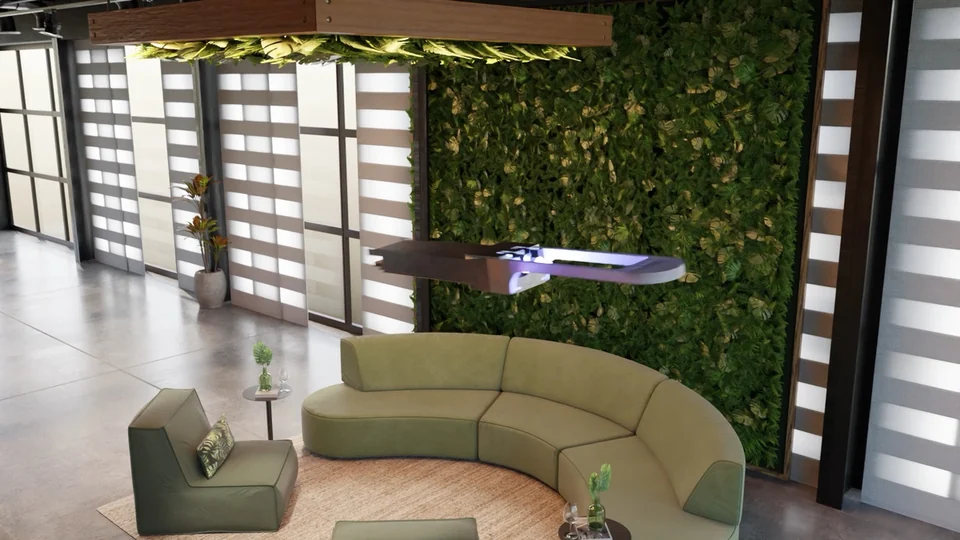
3D let me give a tiny device a monumental presence and a sense of speed, while keeping its visual detail grounded in the real hardware. The result was also a reusable product asset. I created the model, environments, animation, story, voiceover, soundtrack, and edit.
A wider view of the company.
Beyond the render
Bring the same attention to the live story.
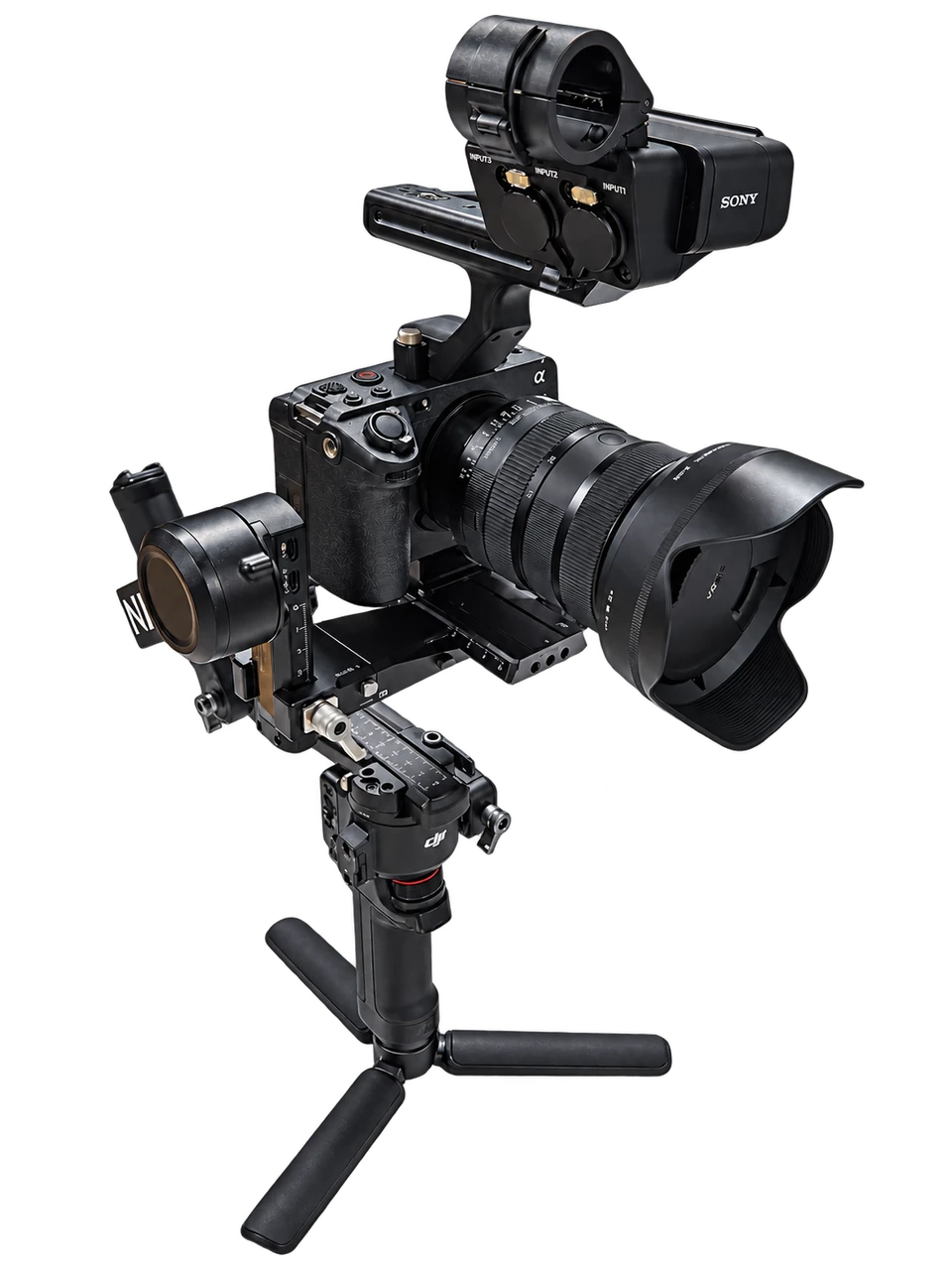
My work at Halo also included filming people, facilities, and events. Alongside the 3D work, I created video that showed the company’s expertise and the people behind its products.
For the September 2025 AI event, that meant recording five hours of sessions and shaping the day into a recap. The camera setup here is another part of that production practice.